
Body Image & Social Media Support Program
Support for Body Image Concerns and Social Media Pressures
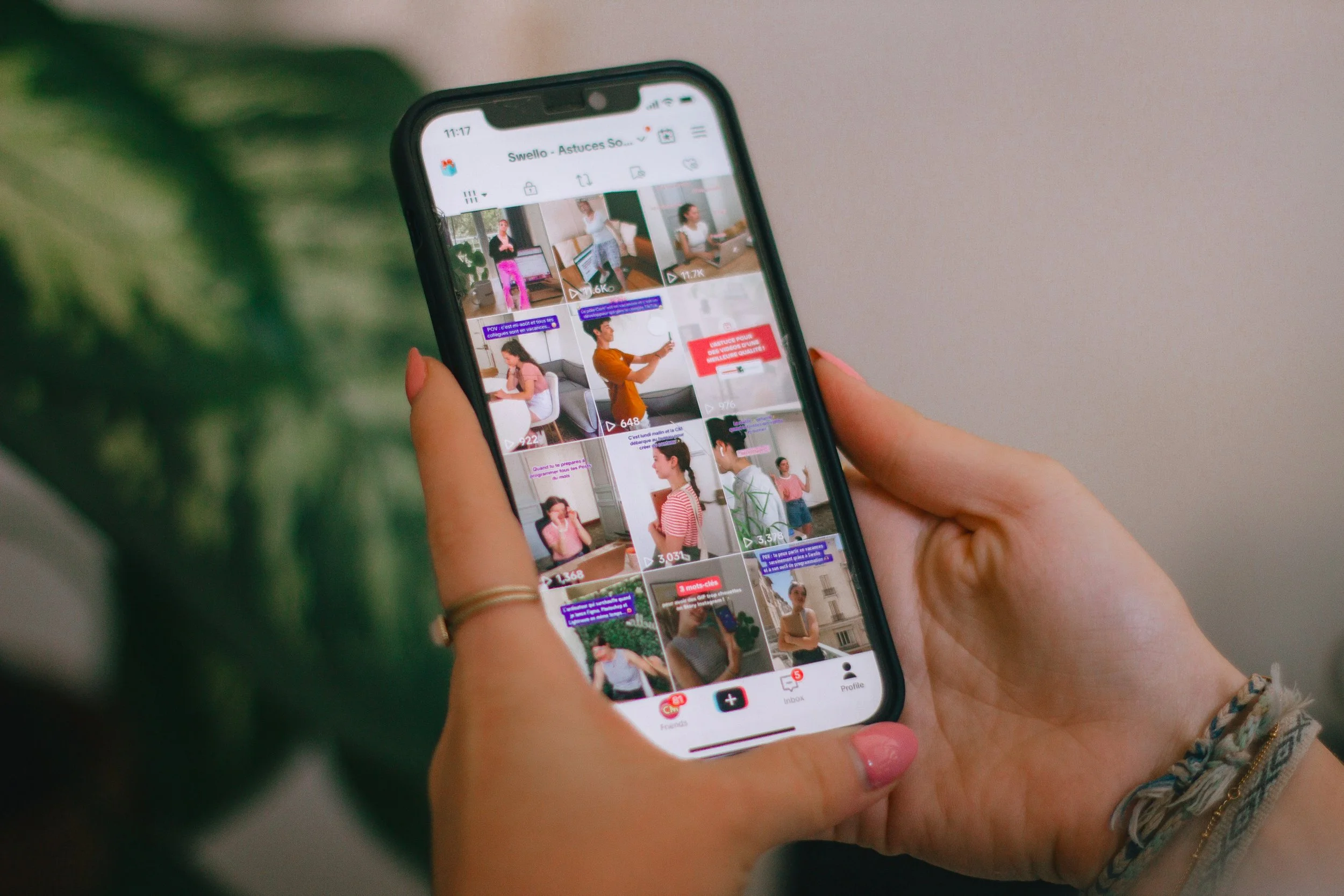
Social media is a big part of everyday life, especially for teens and young adults. It helps people connect, find entertainment, and get support. At the same time, it shows carefully chosen images and stories that can change how someone sees themselves.
Seeing these images and stories all the time can slowly change how people think about themselves. Many people start to compare their looks, lifestyle, or values to what they see online, often without noticing how often it happens.
For some people, this can cause them to feel unhappy with their bodies, have lower self-esteem, or feel upset. These feelings can also show up as anxiety, depression, or worries about eating, especially if someone’s self-worth is linked to how they look.
Reach out to us today and let our team support you in a safe and caring space. Take the first step to see if professional care is right for you or your child, and let us help you move forward with confidence.
How Social Media Shapes Body Image and Self-Perception
Social media does not directly decide how someone feels about their body, but it can make existing worries stronger. For people who already struggle with self-esteem or stress, these platforms can make them compare themselves to others and focus more on how they look.
Most social media highlights what gets attention and shows only certain parts of people’s lives. Users often see perfect or carefully chosen images, which can change what they expect about looks, lifestyle, and feelings.
Common ways social media may impact body image include:
Increased comparison with peers, influencers, or public figures
Heightened focus on weight, shape, skin, or appearance details
Emotional shifts such as sadness, anxiety, or frustration after scrolling
Seeking validation through likes, comments, or engagement metrics
Developing beliefs that appearance determines worth or acceptance
These experiences are common for teens and young adults as they build self-esteem. Adults can feel these pressures too, especially in online spaces that focus on images.
If these patterns happen often, they can start to affect daily life, relationships, and emotional balance.
Recognizing When Body Image Concerns May Need Support
Worries about body image from social media often begin as small feelings of dissatisfaction or occasional comparisons. Over time, these thoughts and behaviors can become stronger or more upsetting.
Some signs that someone may be struggling include:
Regular body checking behaviors, such as mirror checking or photo avoidance
Persistent negative self-talk related to appearance
Increased anxiety before social events or being photographed
Changes in eating behaviors driven by appearance concerns rather than hunger or health
Withdrawal from social activities or reduced participation in enjoyable experiences
Strong emotional reactions to online feedback or appearance-based validation
These patterns do not always mean there is a diagnosis, but they can show that someone is feeling stressed and could use some support.
At The Smith Counseling Group, we often see these concerns together with anxiety, depression, or eating disorder patterns. Getting help early can stop things from getting worse and support healthier ways to cope before these habits become harder to change.
Why These Patterns Develop
Worries about body image from social media are usually about more than just looks. They are connected to emotions, thoughts, and the environment around us.
Some contributing influences may include:
Difficulty managing comparison and self-critical thinking
Low self-esteem or unstable self-image
Perfectionistic thinking patterns
Emotional stress or difficulty regulating emotions
Exposure to appearance-focused environments or messaging
Reinforcement of validation through online engagement
Sometimes, anxiety or depression can make people more sensitive to comparing themselves to others. Social media can trigger these feelings again and again.
Understanding these deeper issues is an important part of treatment. Good care looks at not just changing behaviors, but also at the thoughts, feelings, and situations that cause distress.
Evidence-Based Treatment and Clinical Support
At The Smith Counseling Group, our treatment uses proven methods to help with both the emotional and behavioral sides of body image concerns. Our team specializes in eating disorders, anxiety, and related issues, using research-backed approaches to guide care.
Some common therapies include Cognitive Behavioral Therapy (CBT), which helps people notice and change unhelpful thoughts about appearance, self-worth, and comparison. For teens, Family-Based Treatment (FBT) can also be used, so caregivers are involved in supporting recovery and emotional health.
Support may include:
Identifying and reframing comparison-based thinking patterns
Strengthening self-esteem and internal sources of validation
Addressing anxiety, depression, or emotional triggers
Supporting healthier relationships with food and body image
Developing coping strategies for social media-related stressors
Building awareness of environmental and emotional triggers
We tailor treatment to each person, whether they are a teen or an adult. The goal is not to remove social media, but to help people build a healthier, more balanced relationship with it and with themselves.
Support for Teens, Parents, and Families
Social media has a particularly big impact on teens as they grow. During these years, teens are still figuring out who they are, building friendships, and developing self-esteem, which can make them more likely to compare themselves to others or seek approval online. family when appropriate.
Teen Support: Focuses on emotional regulation, identity development, self-esteem, and managing peer and social media influence
Parent Support: Helps caregivers recognize early warning signs, understand emotional and behavioral changes, and support healthy communication at home
Family-Based Care: When appropriate, involves caregivers directly in the treatment process to strengthen support systems and reinforce recovery at home
This approach helps make sure that progress continues outside of therapy, in daily life and at home with family.
The Importance of Early Support
Body image worries and social media pressures often get better with early help. When these issues are noticed early, people usually see big improvements in how they feel, their self-esteem, and their behaviors.
Without support, these concerns can become more set in and may lead to anxiety, depression, or problems with eating.
Getting help early can break negative patterns and replace them with healthier ways to cope.
Take the Next Step Toward Support
If social media is changing how you or your child feels about body, appearance, or self-worth, professional support can help you find clarity and direction. Our team at The Smith Counseling Group offers caring, proven help that fits each person’s needs.
Talk to a Specialist
Call or email our team today to talk about your concerns and learn about treatment options that fit you or your family. Take charge of your journey by reaching out for the support and guidance you deserve.